

Internal Medicine
What is internal medicine?
Put simply, internal medicine is all the conditions that we treat with medicine, rather than with surgery. If that sounds like a lot of conditions, it really is! Internal medicine is a complex and challenging practice which can involve literally any system in the body.
That said, we see certain conditions much more commonly than others. Here are a few of the main ones:

Cardiac Disease
Both dogs and cats very commonly get cardiac disease, but different diseases. Dogs get mitral valve disease, a leak in the largest valve in the heart, whereas cats get cardiomyopathy, a disease of the heart muscle.
As a consequence, the diagnosis and management of these conditions is very different.
In dogs, heart disease is often associated with a heart murmur, an abnormal heart sound caused by the leaking valve. This is often picked up when we listen to dogs’ chests with a stethoscope, and it’s another very good reason dogs should all be checked by a vet at least once a year, especially as they get older.
A leaking mitral valve, which can often be detected by hearing a murmur with a stethoscope.
In some ways heart disease in cats can be more tricky. Cats of literally any age can develop cardiomyopathy. We have seen cases of every age between 6 months and 16 years. And they don’t always have a heart murmur. Cardiac disease in cats can be occult, meaning hard to detect, so we use a wider range of tests to screen cats for cardiac disease, and these can include genetic tests (for certain at-risk breeds), a blood test ( proBNP test), x-rays, ultrasound, and often a combination of these.
Because of the complexity of feline cardiac disease, we recommend all cat owners discuss with our vets what tests would be considered appropriate for their pets.
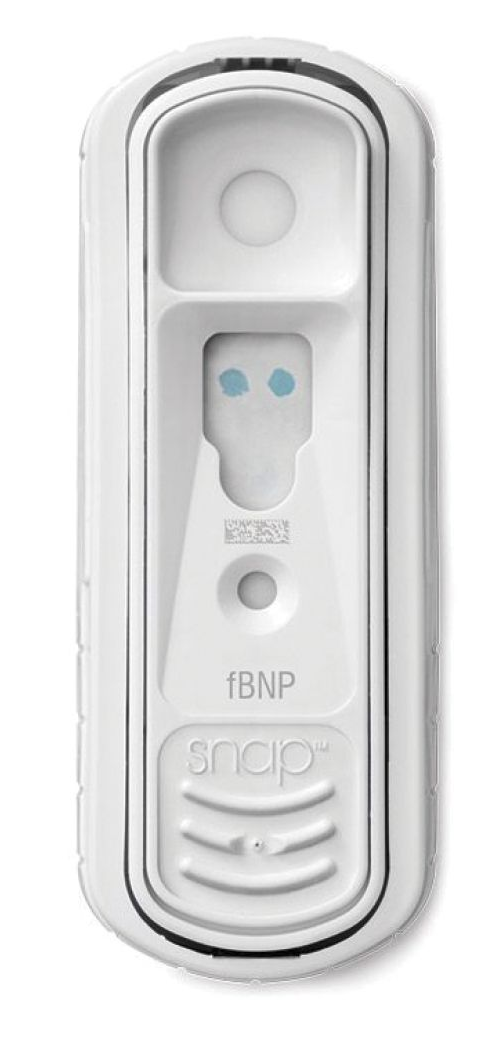
A BNP test for cardiac disease in cats.
A large thrombus (blood clot) on ultrasound in a cat with cardiomyopathy.

Gastrointestinal Disease
Gastrointestinal diseases are extremely common in both dogs and cats. These can present as either vomiting, diarrhea, poor appetite, weight loss, or often a combination of these.
Gastrointestinal disease are usually categorised as acute (less than a week), or chronic (more than two weeks) Chronic gastrointestinal diseases can be some of the most frustrating and distressing conditions for pets and their families to deal with.
Fortunately, at Victoria, we are extremely experienced at the diagnosis and management of these conditions.
We can perform all levels of diagnostic investigation from blood tests, fecal tests, through to imaging (x-ray and ultrasound) and eventually endoscopy and biopsies, if indicated.
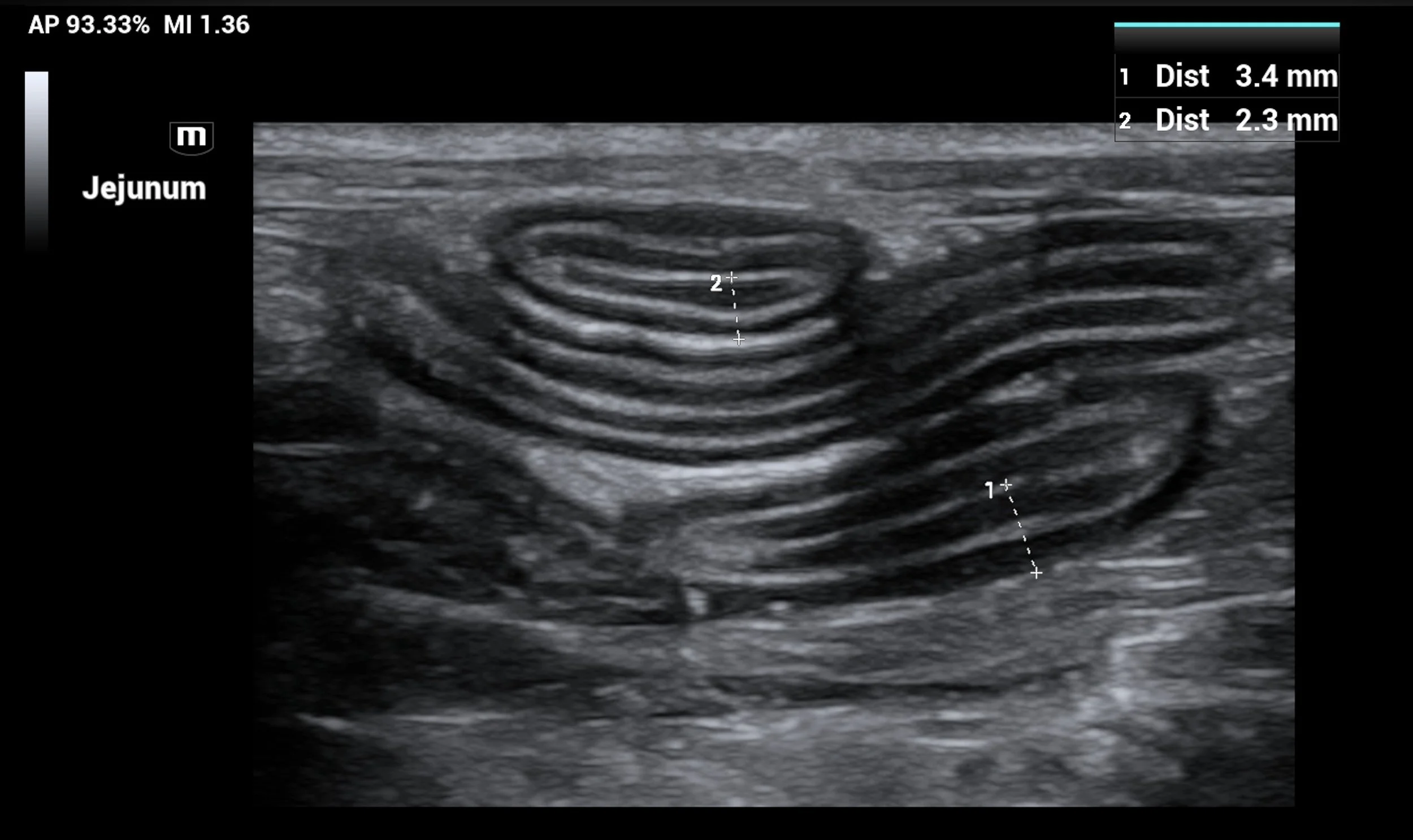
Thickened intestines on ultrasound in a cat with inflammatory bowel disease.
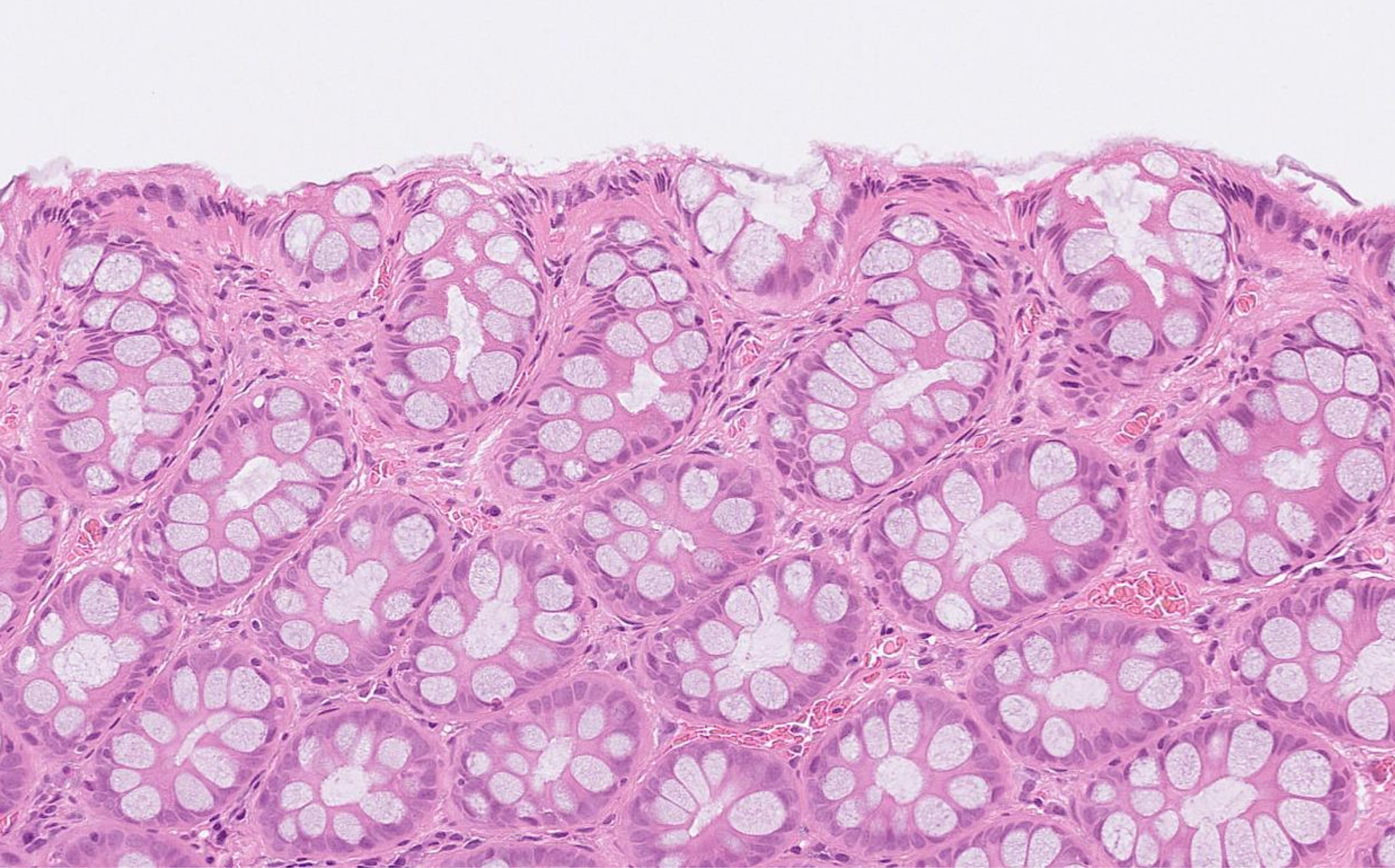
Intestinal biopsy from a dog, viewed under the microscope.
At Victoria we also believe in managing these conditions with the minimum of medicines, or without medicines where possible. Up to 50% of chronic gastrointestinal conditions in dogs and cats can be managed without medicines, and we work hard to find the right diet for your pet.

Kidney Disease
On the other hand, we see kidney disease much more commonly in one species: cats.
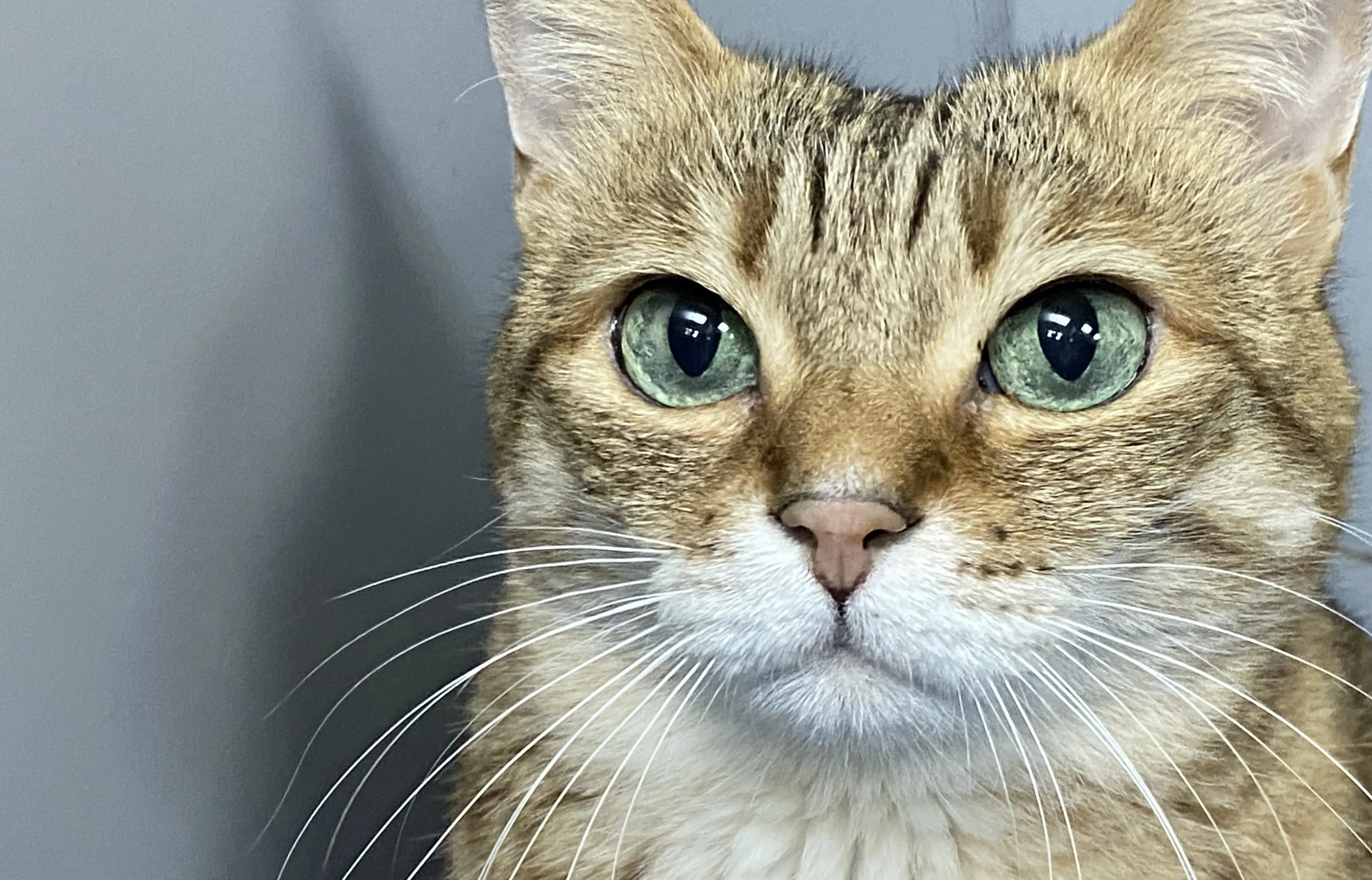
As most owners know, kidney disease is the most common disease of older cats. Sadly it’s an age-related disease, and can’t be cured in most cases, but early detection can make a really big difference.
Blood and urine tests are excellent for detecting kidney disease, and can do so long before any physical signs.
This is one of the reasons why (at least) annual health checks are recommended for all cats, especially as they get older.

Endocrine disease
Endocrine diseases are diseases involving hormones. We see two in particular:
Diabetes mellitus: this disease is caused by a deficiency or insufficiency of insulin in the body, leading to very high glucose levels. Untreated, it leads to severe illness, coma, and death. The mainstay of treatment for many years has been insulin.
There have however been many major breakthroughs in management of diabetes in recent years, and more exciting developments are in the pipeline!
Continuous glucose monitoring with systems such as the Freestyle Libre have revolutionised how we manage diabetics both in hospital and at home.
Our patients wear Freestyle sensors which produce glucose data 24 hrs of the day, and which we can read at the clinic at any time, allowing us to give real-time advice to pet owners about insulin dosing.
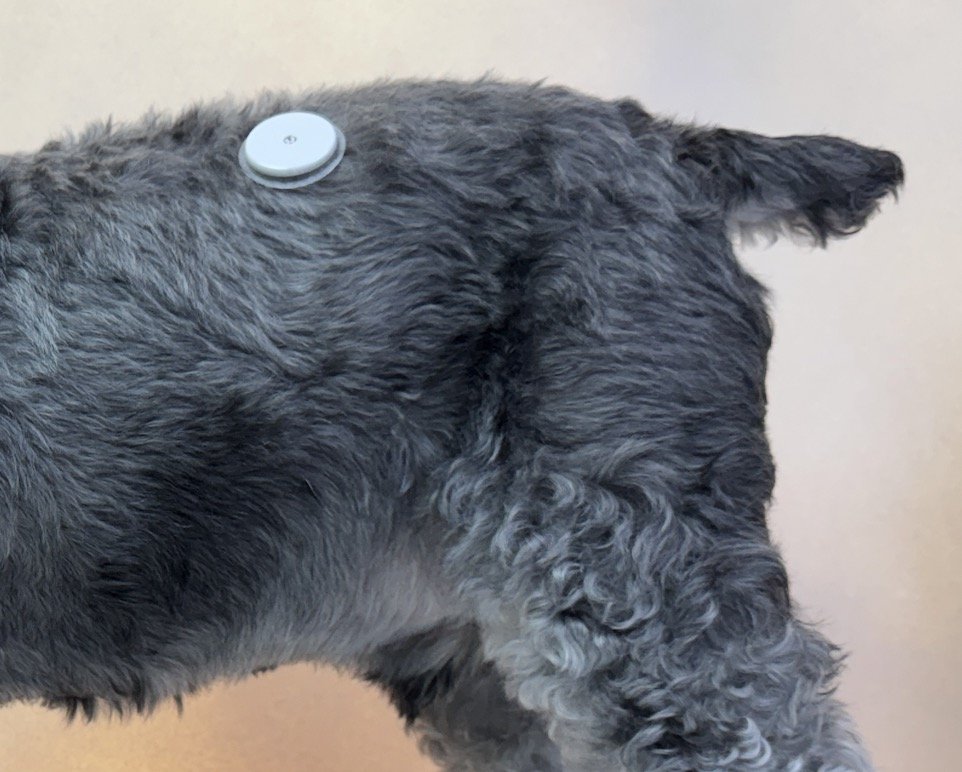
CGM sensor on a dog.
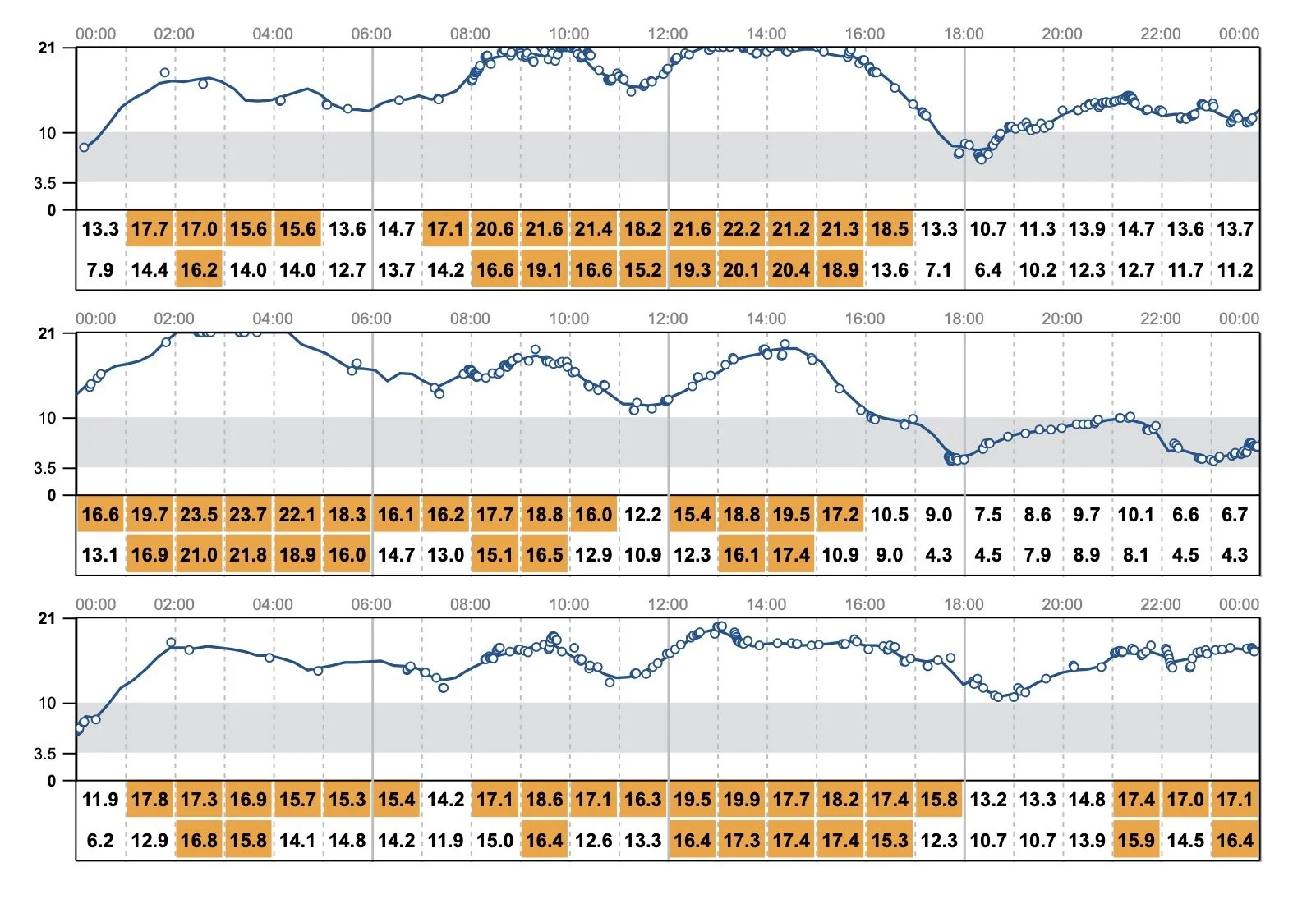
Example of Freestyle continuous glucose data.
Cushing’s disease: this is most commonly a disease of dogs, and an extremely common disease in dogs in Hong Kong.
Caused by an overactivity of the adrenal glands, Cushing’s disease causes progressive physical changes to the body. Left untreated, these changes can become spectacular, and cause a poor quality of life for affected dogs.
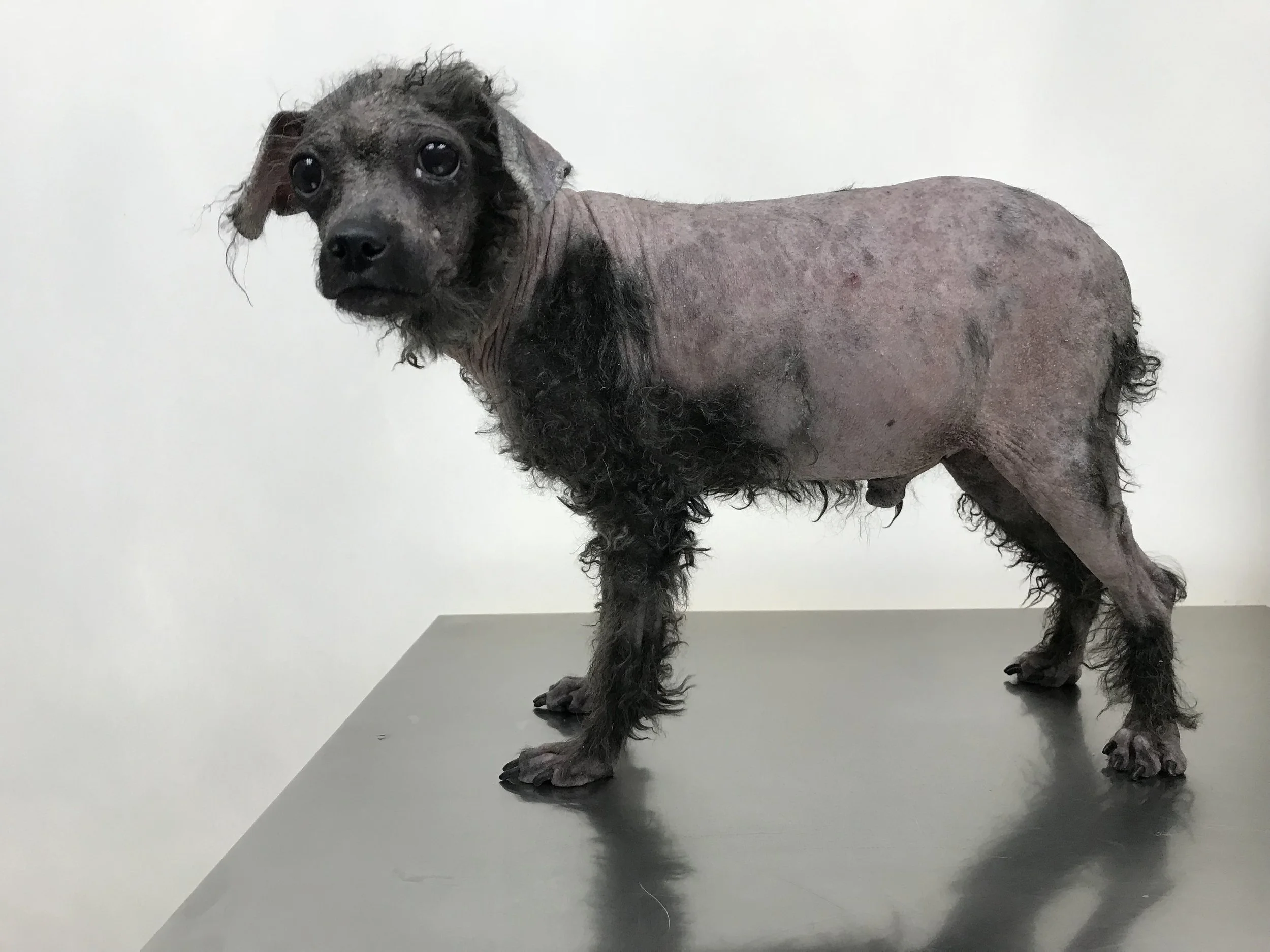
Before treatment.
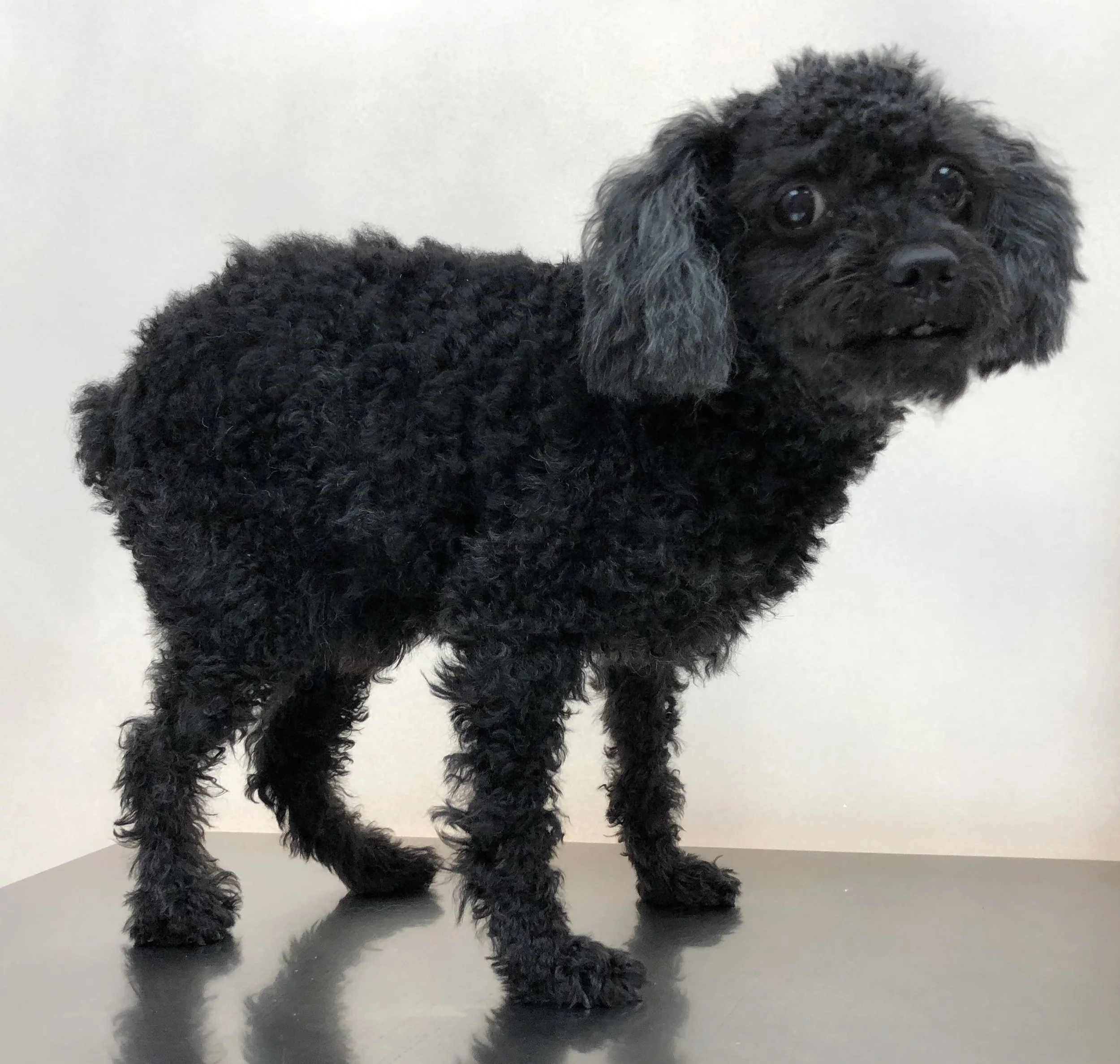
The good news is that with successful treatment, the changes can be completely reversed. This is the same dog as above…after successful treatment!
After treatment.

Infectious Diseases
Unfortunately infectious diseases remain very common in Hong Kong, despite the availability of excellent preventive medicines.
We still see high levels of distemper, parvovirus, tick fever, and heartworm disease.
Our vets can tailor a comprehensive preventative health plan to protect new puppies and kittens from these deadly diseases.
If the worst happens, and your pet is affected, we have many years of experience in dealing with all these conditions, and know the safest and most up-to-date treatments for all of these.
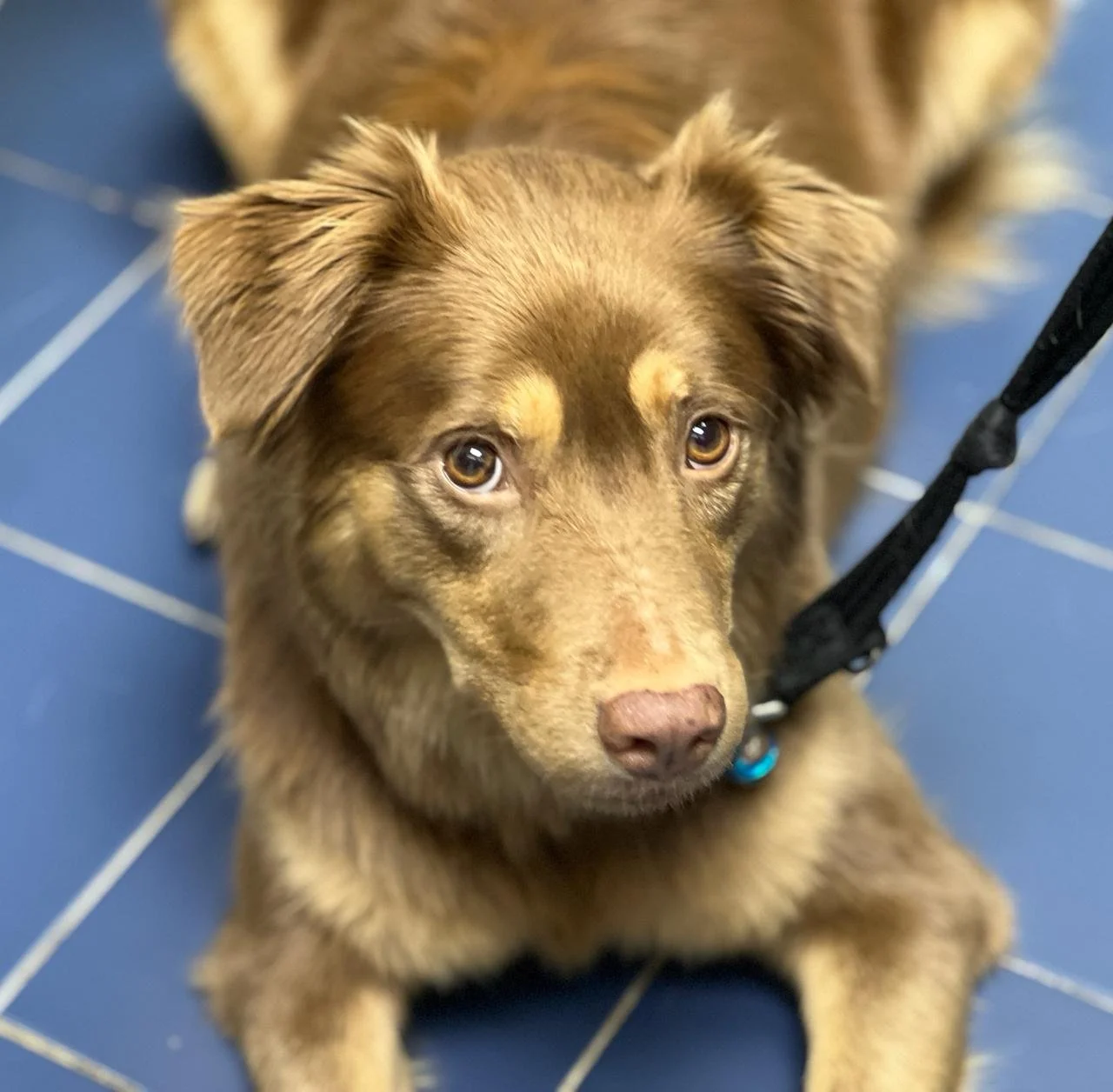
Mera, successfully treated after a very serious case of Babesia, a kind of tick fever common in Hong Kong.
Ultrasound showing severe heartworm infection.
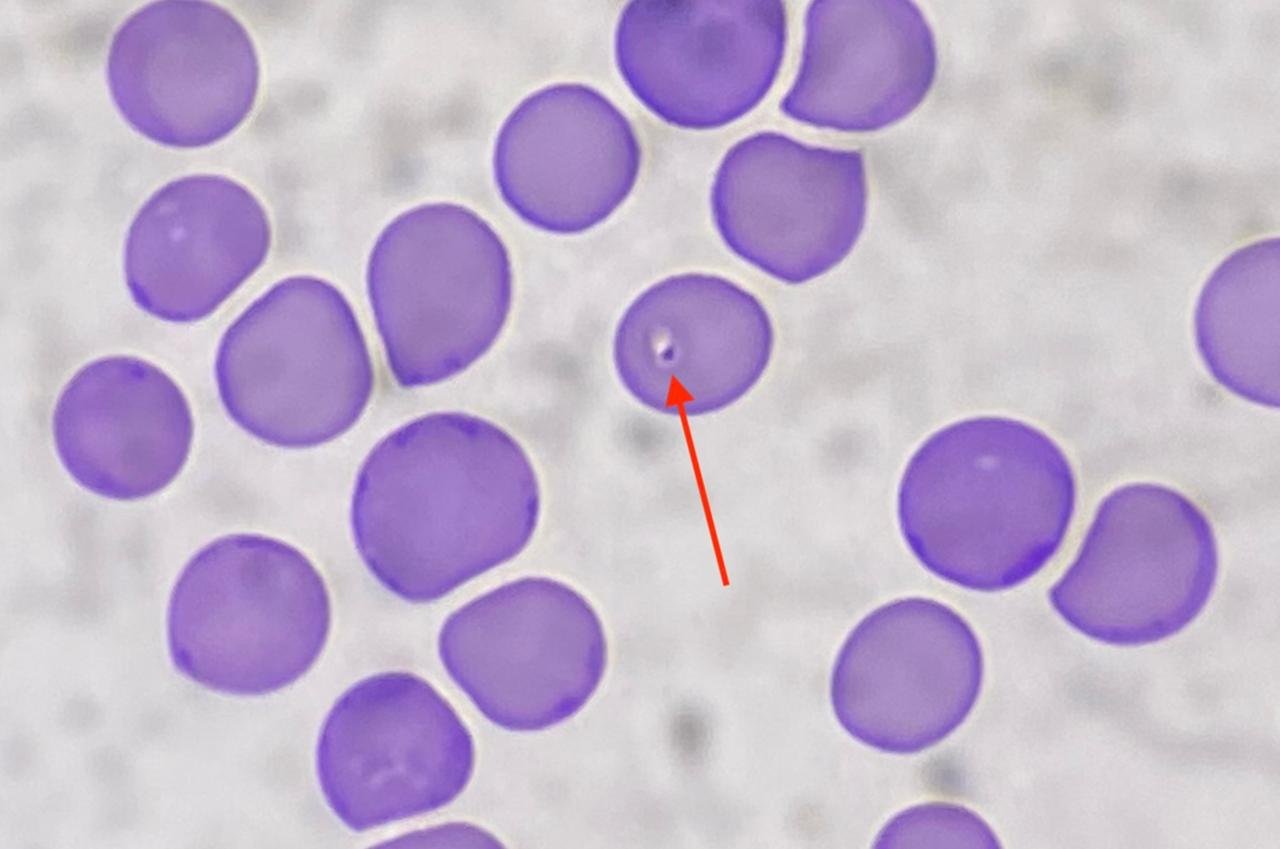
A Babesia parasite seen under the microscope on a blood smear.

Immune-mediated Diseases
Immune-mediated diseases are especially common in dogs. They are caused when the immune system attacks the body itself.
Especially common are immune-mediated diseases of the blood, including IMHA, IMT, and Evan’s syndrome.
These are challenging and difficult diseases to treat, and can require blood transfusions and intensive care.

Rare Disease
As well as these common diseases, we’re always on the lookout for uncommon or rare conditions. Multiple of our vets have done advanced training in Internal Medicine, making them equipped at challenging medical investigations for rare diseases.
We accept referrals, and enjoy the challenge associated with diagnosing and treating less common presentations.
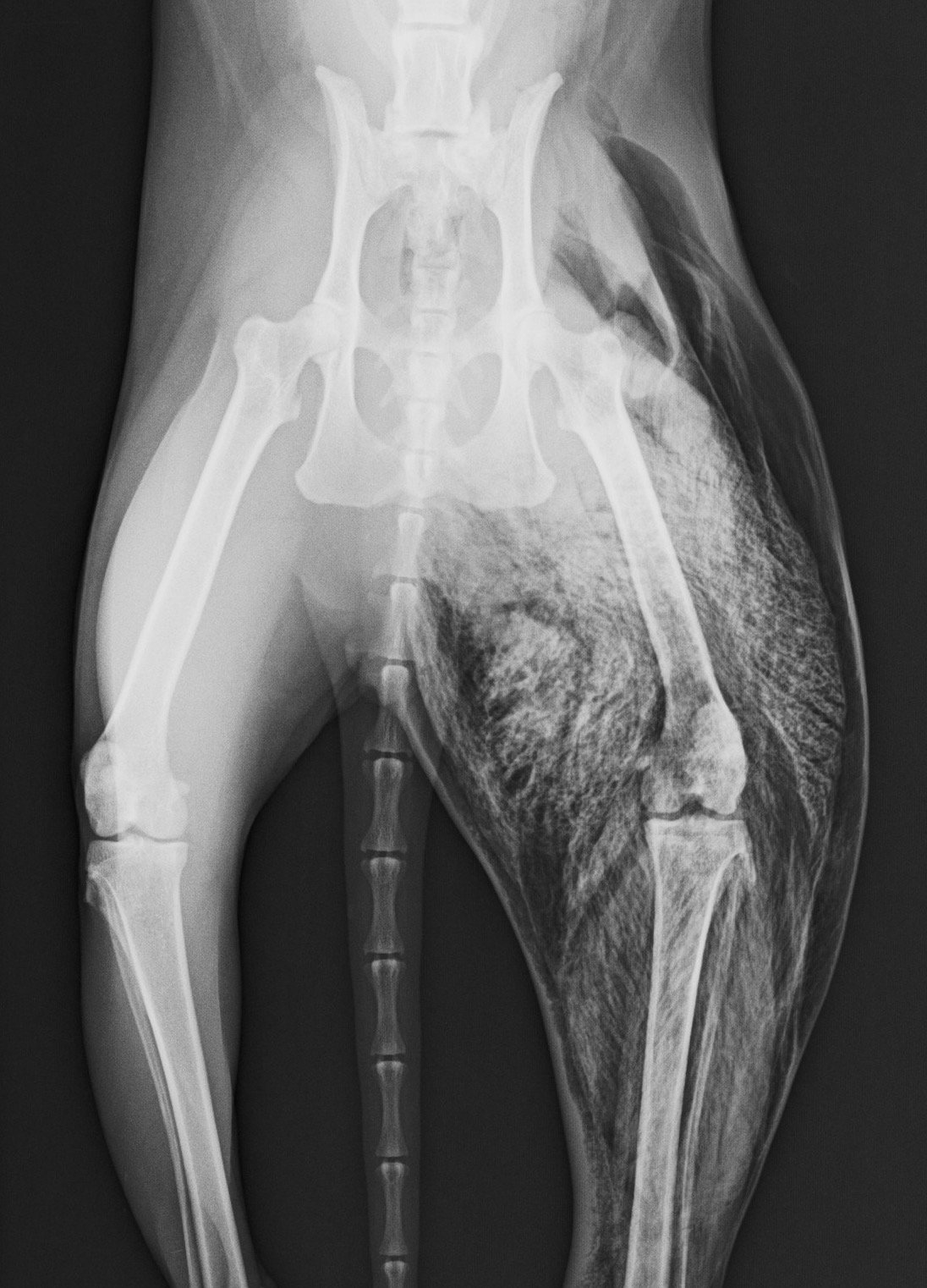
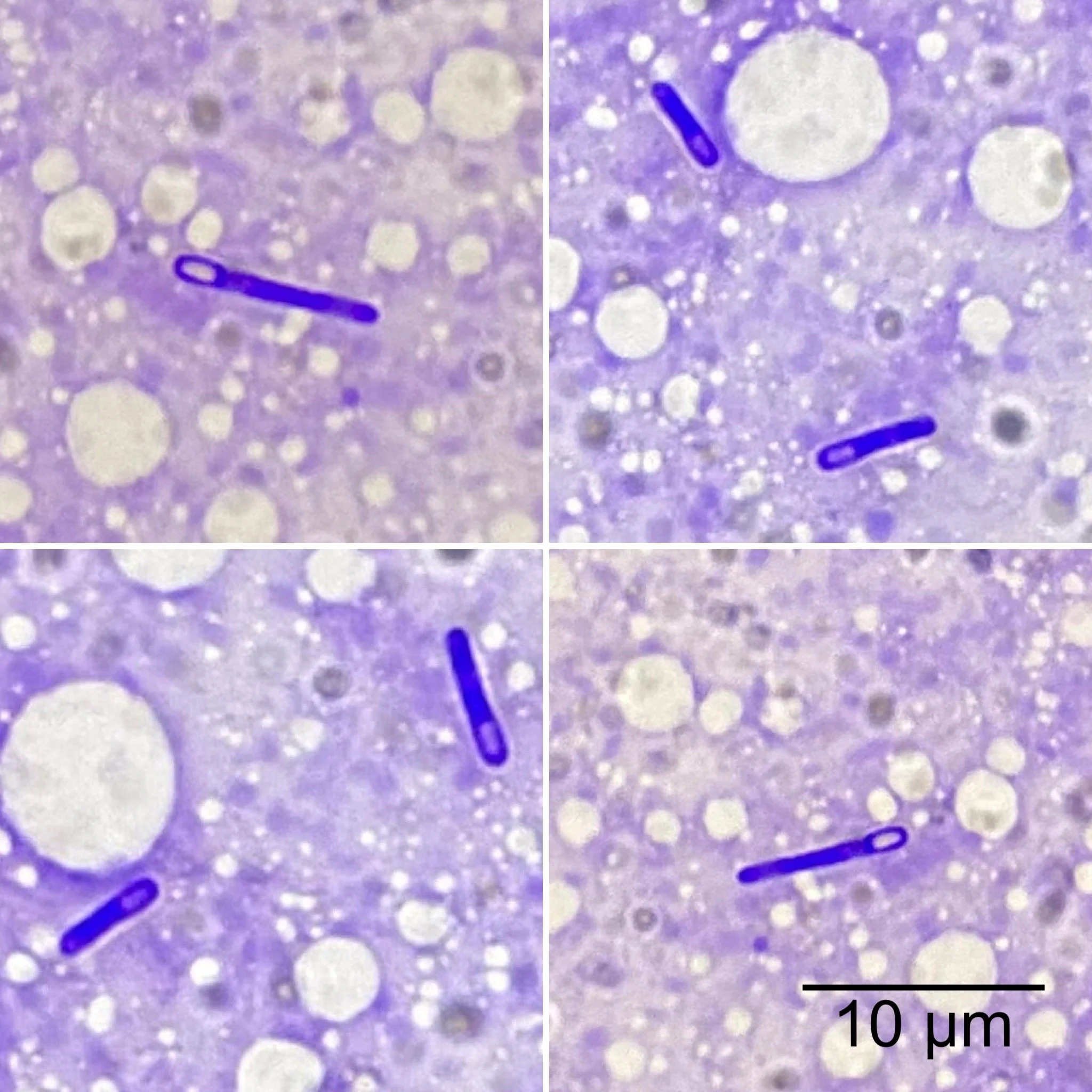
An extremely rare case of gas-producing bacteria causing infection in the leg of a cat, one of only three such cases ever reported, published in the Journal of Feline Medicine and Surgery.

Research
We are actively involved with research collaborations with City University of Hong Kong, the University of Sydney, the Sydney Postgraduate Foundation, as well as with other research collaborators in Hong Kong, Australia, the US, and the UK.
Current projects include identifying antimicrobial resistance patterns in bacteria found in pets in Hong Kong, the prevalence of various flea, tick and mosquito-borne diseases in Hong Kong, and the genetics of bladder stones in cats.
Victoria’s vets have been published in journals such as the Journal of Feline Medicine and Surgery, the Australian Veterinary Journal, as well as several Feline Medicine textbooks!
Please feel free to ask us about our research projects!